


Viral news from Bangladesh often reflects local culture, social issues, and everyday life, captivating a wide audience through its relatability and unique perspectives. Understanding these trends helps navigate the digital landscape.
What Makes News Go Viral?
Have you ever wondered why some stories get shared by thousands, then millions, of people? It’s not usually by accident. Several things make news spread fast online.
These are often called “viral triggers.” They tap into how we naturally react to information.
One big trigger is strong emotion. Stories that make us feel happy, sad, angry, or surprised tend to get shared more. People want to express these feelings or connect with others who feel the same.
Think about a story of incredible kindness or a shocking injustice. These grab our attention instantly.
Relatability is another key factor. If a story touches on common experiences, it resonates with more people. We see ourselves, our families, or our neighbors in the events.
This makes us feel a connection. We want to share it with our own circle. It’s like saying, “Hey, look, this is happening to people like us!”
Novelty or uniqueness also plays a big role. If something is unusual, unexpected, or never seen before, it’s more likely to catch on. It’s something different from the usual news cycle.
This can be a strange event, a new trend, or a surprising discovery. People share these to show they are “in the know” about something interesting.
Timeliness is also important. News that is current and happening now often spreads faster. It feels more urgent.
People want to be up-to-date on what’s happening in the world right away. This is especially true for breaking news or events that have a big impact.
Sometimes, simply being controversial can make news go viral. Stories that spark debate or disagreement get people talking. They might share it to add their opinion or to challenge others.
This engagement fuels the spread, even if the discussion isn’t always positive.
Finally, the way a story is presented matters. A catchy headline, a compelling image, or a well-made video can make all the difference. It makes the story easier to digest and more appealing.
If it looks good and sounds interesting, people are more likely to click and share.
The Landscape of Bangladesh Viral News
When we look at Bangladesh viral news, certain themes often emerge. These topics connect with people on a deep level. They reflect the pulse of the nation and its people.
Understanding these themes helps us appreciate why certain stories capture public attention.
One common area is social issues and human interest. Stories about poverty, education, or healthcare often go viral. So do tales of resilience, community spirit, or personal struggles.
These narratives highlight the everyday lives of Bangladeshis. They show their hopes, their challenges, and their triumphs. These are stories we can all connect with, no matter where we are.
Cultural events and traditions are another frequent topic. Festivals, religious observances, and unique local customs can capture widespread interest. When these are shared online, they offer a glimpse into the rich heritage of Bangladesh.
People share them to celebrate their culture or to educate others.
Local developments and community impact also tend to go viral. News about infrastructure projects, local achievements, or even community problems can resonate strongly. These stories affect people directly.
They show changes happening in their towns and cities. This makes them highly relevant to the local population.
Inspirational stories and acts of kindness are always popular. When someone does something extraordinary to help others, it spreads quickly. These stories offer hope and positivity.
They remind us of the good in the world. They are often shared to inspire others to act.
Sometimes, unexpected or unusual events make headlines. These could be natural phenomena, peculiar occurrences, or unique discoveries. Their sheer novelty makes them stand out.
They offer a sense of wonder or surprise that people want to share.
It’s also worth noting that political and economic news can go viral, especially during key events or times of change. However, these stories can sometimes be complex. Their virality often depends on how they are framed and how directly they affect people’s lives.
In general, the Bangladesh viral news scene is dynamic. It mirrors the country’s vibrant society. It often focuses on the human element, making it relatable and engaging for a broad audience.
Key Themes in Viral Content
Human Interest: Stories of struggle, success, and everyday life.
Cultural Celebrations: Festivals, traditions, and heritage.
Community Impact: Local progress, challenges, and solutions.
Inspiration & Positivity: Acts of kindness and heroic deeds.
Unusual Events: Surprising or extraordinary occurrences.
The Power of Social Media
Social media platforms are the main engines behind viral news. Sites like Facebook, X (formerly Twitter), and YouTube are where most of these stories gain traction. They allow information to spread incredibly fast.
It’s like a digital word-of-mouth.
When someone shares a post, their friends see it. Then, those friends might share it too. This chain reaction is how a small story can reach millions in a matter of hours.
Algorithms on these platforms also play a role. They show users content they think they’ll like. This can boost the visibility of already popular posts.
User-generated content is huge. People filming events on their phones and uploading them can create viral moments. These raw, immediate videos often feel more real.
They bypass traditional media channels. This means a citizen journalist can sometimes break a big story.
Hashtags are another tool that helps content go viral. By using popular or relevant hashtags, creators can make their content discoverable. People searching for those tags can then find and share the information.
It connects people interested in the same topics.
The speed of social media means news can travel around the globe instantly. This can be a powerful force for good. It can raise awareness about important issues quickly.
It can also rally support for causes. But it also means that misinformation can spread just as fast.
Spotting Misinformation
While viral news can be exciting and informative, it’s crucial to be aware of misinformation. Fake news, or “fake news,” can spread rapidly. It can mislead people and cause harm.
Being able to spot it is a vital skill in today’s digital world.
One of the first things to check is the source. Is it a reputable news organization? Or is it an unknown website or social media account?
Be wary of sources you’ve never heard of. Look for an “About Us” page. See who runs the site.
Next, look at the headline and content. Does the headline seem sensational or unbelievable? Often, fake news uses dramatic headlines to get clicks.
Read the whole story. Does it seem to have a clear agenda or bias? Does it present facts or opinions as facts?
Check the date. Old stories are sometimes re-shared as if they are new. This can be misleading.
Make sure the information is current and relevant to today’s events.
Examine the images and videos. Are they altered or taken out of context? Sometimes, pictures from different events are used to support a false narrative.
You can use reverse image search tools to check if an image has appeared elsewhere.
Consider the language used. Is it overly emotional or inflammatory? Fake news often aims to provoke a strong reaction.
Look for poor grammar or spelling. While not always a sign of fakes, it can be a red flag, especially on professional-looking sites.
Finally, cross-reference. If a story seems important, see if other reliable news outlets are reporting it. If only one obscure source is talking about it, it’s a good reason to be skeptical.
Many fact-checking websites are also available to verify information.
How to Verify Information
- Check the source’s reputation.
- Read beyond the headline.
- Look for supporting evidence.
- Verify the date of publication.
- Inspect images and videos for manipulation.
- Be wary of emotional language.
- Compare with reports from multiple trusted sources.
Personal Experience: A Viral Misstep
I remember a few years ago, I was scrolling through my social media feed late one evening. It was flooded with posts about a supposed “miracle cure” found in a remote village in Bangladesh. The video showed people looking visibly healthier after using a local plant.
The text accompanying it was full of exclamation marks and urgent calls to share.
My initial reaction was a mix of shock and hope. It seemed incredible, almost too good to be true. I immediately thought of a distant relative who had been struggling with a chronic illness.
The idea that such a simple, natural remedy might exist somewhere felt revolutionary. My fingers were already hovering over the “share” button. I wanted to get this vital information out to everyone I knew.
But then, a small voice of caution nudged me. I paused. I hadn’t heard anything about this from any official health organizations.
The video was low-quality, and the testimonials were vague. I decided to do a quick search. I looked for news reports from reputable sources or any statements from health experts in Bangladesh or internationally.
What I found was disheartening. The “miracle cure” was debunked as a hoax. The images were old, and the stories were fabricated to promote a specific herbal product.
The plant used was common and had no proven medicinal properties for the claimed condition. It was a stark reminder of how easily sensational claims, especially those wrapped in hope, can spread like wildfire online without any basis in fact.
That experience taught me a valuable lesson. The emotional pull of a compelling story can be very strong. But critical thinking and verification are always necessary.
Especially when dealing with health claims or sensitive topics. It reinforced my commitment to always checking sources before believing or sharing information. The internet is amazing, but it’s also a place where we must be vigilant.
Common Topics in Bangladesh Viral News
Let’s explore some specific areas that frequently become the subject of Bangladesh viral news. These topics resonate because they touch upon shared human experiences, cultural values, or pressing societal concerns. Understanding these recurring themes can give us a clearer picture of what captures the public’s attention.
Everyday Heroes: Stories about ordinary people doing extraordinary things are consistently popular. This could be a rickshaw puller returning a lost wallet with a large sum of money. Or a teacher going above and beyond for their students.
These narratives highlight the good in society and inspire hope.
Natural Beauty and Wonders: Bangladesh is blessed with stunning natural landscapes. Photos and videos of scenic villages, lush green fields, rivers, or unique wildlife often go viral. These posts celebrate the country’s beauty and evoke a sense of national pride.
Food and Cuisine: Bangladeshi food is rich and diverse. Posts featuring delicious traditional dishes, street food adventures, or cooking tutorials often gain huge traction. Food is a universal connector, and sharing culinary experiences is a great way to engage people.
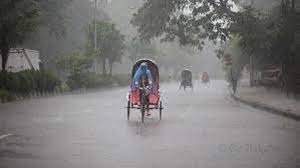
Challenges and Solutions: While positive stories are loved, news about significant challenges also goes viral. These might include issues like traffic congestion in Dhaka, waterlogging, or environmental concerns. However, when these stories are paired with potential solutions or innovative efforts to tackle the problems, they tend to resonate even more.
People like to see progress being made.
Unusual Animal Sightings: Reports of rare animal sightings, or unusual animal behavior, can generate significant buzz. This is due to the element of surprise and the inherent fascination people have with the natural world.
Historical and Cultural Insights: Sharing lesser-known historical facts, interesting cultural traditions, or the stories behind landmarks can capture attention. These posts often educate and connect people to their heritage.
Accidents and Tragedies: Sadly, news of accidents, natural disasters, or major tragedies can also spread rapidly. These events evoke strong emotional responses and often lead to widespread calls for help or donations. It’s important to approach these stories with sensitivity and verify information before sharing.
Content Categories That Trend
Human Interest: Everyday acts of heroism and kindness. (e.g., Rickshaw puller returns lost money)
Nature & Scenery: Beautiful landscapes and wildlife. (e.g., Stunning river views in Sylhet)
Culinary Delights: Traditional foods and street eats. (e.g., Authentic Biryani recipe)
Societal Issues: Problems and innovative solutions. (e.g., New traffic management system)
Cultural Heritage: Historical facts and traditions. (e.g., History of the Sundarbans)
When It’s Just Interesting vs. When to Worry
It’s important to understand the difference between interesting viral news and something that might signal a real problem. Most viral content is harmless. It might be a funny video, a beautiful photo, or a heartwarming story.
These entertain us and connect us.
However, some viral news can be concerning. This is especially true if it suggests:
- A public health emergency: If a story mentions a sudden outbreak of a disease or a widespread health risk, it’s worth paying attention. But always wait for official confirmation from health authorities.
- A major safety threat: News about significant accidents, structural failures, or environmental hazards needs careful consideration. Again, official sources are key for accurate information.
- Social unrest or danger: Reports of widespread protests that turn violent, or major public safety issues, should be treated with caution. Stick to verified news for reliable updates.
- Scams or fraudulent schemes: If a viral post promises unbelievable financial returns or asks for personal information in suspicious ways, it’s likely a scam.
The best approach is to stay informed but also remain skeptical. If a story makes you feel intensely anxious or fearful, take a moment to verify it. Look for information from trusted government agencies, established news organizations, or public health bodies.
These sources are more likely to provide accurate and timely updates during critical events.
It’s also helpful to consider the intent behind the sharing. Is it to inform, to warn, or to cause panic? Understanding this can guide your reaction.
Most of the time, viral news is just interesting chatter. But in rare cases, it can be a signal to pay closer attention and seek out reliable information.
Simple Checks for Viral Content
You don’t need to be a detective to do some quick checks on viral news. These simple steps can help you decide if a story is trustworthy.
Quick Viral Content Scan
Who shared it? Is it a friend, a known news page, or a random account?
What’s the headline like? Does it sound like clickbait or is it balanced?
Does it make sense? Does the story seem realistic based on what you know?
Is there a date? Is it a current event or an old story re-shared?
Can you find it elsewhere? Check if other reliable sites are reporting the same thing.
These checks take just a few moments. They can save you from believing or spreading false information. It’s about building a habit of mindful consumption of online content.
Navigating the Digital Currents
The world of Bangladesh viral news is a fascinating reflection of society. It’s a mix of the inspiring, the unusual, the challenging, and the everyday. Social media has made it easier than ever to connect with these stories, to feel a part of a larger conversation.
However, with this ease of access comes a responsibility. We must be aware of the potential for misinformation. We need to cultivate a healthy dose of skepticism.
By checking sources, reading critically, and understanding the common themes, we can navigate these digital currents more safely and effectively.
Remember, the goal is to be informed, not just entertained. Stay curious, stay critical, and enjoy discovering the stories that matter from Bangladesh and beyond. Your engagement with information shapes the online world, so let’s make it a positive one.
Frequently Asked Questions About Bangladesh Viral News
What is the most common type of viral news from Bangladesh?
The most common types of viral news from Bangladesh often involve human interest stories, social issues, cultural events, and inspirational acts of kindness. These topics tend to resonate deeply with people and encourage sharing.
How can I tell if a viral news story from Bangladesh is fake?
To identify fake news, always check the source. Is it a reputable news outlet or an unknown website? Read the full story, not just the headline.
Look for sensational language or claims that seem too good to be true. Verify the date and check if other reliable sources are reporting the same information. Be wary of unusual images or videos.
Are there specific social media platforms where viral news from Bangladesh is most common?
Yes, platforms like Facebook, X (formerly Twitter), and YouTube are major hubs for viral news from Bangladesh. These platforms’ sharing features and algorithms help content spread rapidly to a wide audience.
What role does emotion play in making news viral in Bangladesh?
Emotion plays a huge role. Stories that evoke strong feelings like joy, sadness, anger, or surprise are much more likely to be shared. This emotional connection makes people want to express themselves or relate to others.
Can I trust user-generated content as viral news?
User-generated content can be a source of viral news, often providing raw, immediate perspectives. However, it requires extra caution. Always cross-reference with official reports or established news sources if the information is critical or seems unbelievable.
How can I contribute positively to the spread of news from Bangladesh?
You can contribute positively by sharing verified and accurate information. Always fact-check before you share, especially if a story seems sensational or emotionally charged. Supporting reputable news sources and fact-checking initiatives also helps.
Are there any specific regions in Bangladesh that often feature in viral news?
While news can come from anywhere, major cities like Dhaka often feature due to higher population density and more activity. However, beautiful rural areas, historical sites, or regions affected by specific events can also gain significant viral attention.








Leave a Reply