

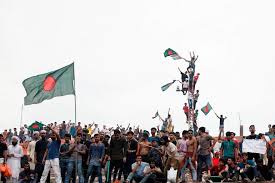
It can feel like a puzzle, trying to keep up with what’s happening in Bangladesh politics. News streams often move fast. Important details can get buried.
You might feel a bit lost in the headlines. We understand that feeling. This guide aims to bring clarity.
We will walk through the main points. You’ll learn about the key players. You’ll also see how decisions are made.
Our goal is to make it easier for you to follow along. This information is for everyone who wants to understand more.
Understanding Bangladesh political news means looking at the core ideas. It involves knowing the main parties and their goals. It also means seeing how leaders interact. The goal is to present a clear picture of current events. This helps you form your own informed view.
The Landscape of Bangladesh Politics
Bangladesh has a vibrant political scene. It’s a parliamentary democracy. This means the people elect representatives. These representatives then form the government. The country has seen many shifts over the years. Understanding these shifts helps explain today’s politics. Key institutions play a big role. These include the Parliament, the Prime Minister’s office, and the President’s office. Each has its own duties.
The Parliament, called Jatiya Sangsad, is where laws are made. Members are elected by the people. The Prime Minister is usually the leader of the party that wins the most seats. They lead the executive branch. The President is the head of state. Their role is largely ceremonial. However, they have important powers in certain situations. The judiciary is also a vital part. It interprets laws and ensures fairness.
Several major political parties shape the nation’s direction. The Awami League (AL) is a dominant force. It has led the country for many years. The Bangladesh Nationalist Party (BNP) is its main opposition. There are also smaller parties. They often form alliances or play a role in policy debates. Each party has its own history. They also have different ideas about how Bangladesh should be run. These differences often lead to spirited discussions.
Elections are a big part of this system. They happen every five years. Citizens vote for their representatives. The results of these elections determine who forms the government. Fair elections are crucial for a healthy democracy. Many people watch elections closely. International observers also often monitor them. The process can be complex. It involves many steps.
A Personal Look at Political Reporting
I remember a time when a major policy change was announced. It came out of the blue for many. The news channels were buzzing. But the actual reasons felt unclear. People were talking. Some were excited. Others were worried. It made me realize how hard it is to grasp the full story quickly. I spent hours digging through reports. I looked for simpler explanations. I wanted to know the impact on everyday people. That’s when I decided to focus on making complex news easier to understand.
Key Institutions and Their Roles
Let’s break down the main parts of the government. Knowing these helps you follow the news better.
Understanding the Government Structure
Executive Branch: Led by the Prime Minister. This branch carries out the laws. It includes ministries and government departments.
Legislative Branch: The Parliament (Jatiya Sangsad). It makes the laws. Members discuss and vote on new rules.
Judicial Branch: The court system. It reviews laws and settles disputes. It ensures justice is served.
The Parliament is where laws are born. Members debate ideas. They vote on bills. The Prime Minister and their cabinet are part of the executive. They manage the country’s affairs daily. The President, while head of state, has specific constitutional duties. These can include appointing certain officials or dissolving Parliament in rare cases. The Supreme Court is the highest court. Its decisions are final.
Each institution has checks and balances. This means one branch can’t become too powerful. For example, Parliament can question the executive. The judiciary can review laws passed by Parliament. This system is designed to keep things fair. It’s a core part of how democracies work.
Major Political Parties: Who’s Who?
Knowing the main political players is key.
Party Spotlight: Awami League (AL)
Ideology: Generally considered center-left. Focuses on economic development, secularism, and national independence.
Leadership: Historically led by prominent families. Sheikh Hasina has been its leader for a long time.
Key Policies: Often emphasizes infrastructure projects, social welfare programs, and digital Bangladesh initiatives.
Party Spotlight: Bangladesh Nationalist Party (BNP)
Ideology: Center-right to nationalist. Often emphasizes national sovereignty and social justice.
Leadership: Traditionally led by the Zia family. Khaleda Zia has been a key figure.
Key Policies: Policies can vary. They often focus on decentralization and economic reform.
These two parties have been the main rivals for decades. Their competition shapes much of the political discourse. Other parties, like the Jatiya Party, also exist. They can sometimes play a kingmaker role or influence specific issues. Their platforms might focus on regional interests or specific social groups.
The history of these parties matters. The Awami League was central to Bangladesh’s independence in 1971. The BNP was founded by Ziaur Rahman. Understanding their past helps explain their current stances. They have different visions for the country’s future. This leads to different policy proposals.
Electoral Processes and Significance
Elections are the heart of a democracy. In Bangladesh, parliamentary elections are very important. They determine who forms the government. The Election Commission of Bangladesh organizes these polls. They aim to ensure fairness. The process involves voter registration, candidate nomination, campaigning, and the actual voting.
Quick Election Facts
Frequency: Generally held every five years.
Voters: Millions of citizens cast their ballots.
Outcome: The party winning a majority of seats forms the government.
International observers often come to Bangladesh during elections. They help ensure transparency. Their reports can highlight areas for improvement. For citizens, voting is a vital way to make their voices heard. It’s a chance to choose leaders who they believe will best serve the country. The period leading up to an election is often busy. Political rallies are common. Debates on key issues increase.
Current Political Dynamics and Key Issues
Today’s political scene is always evolving. Several key issues are often discussed. Economic development is a big one. How to create jobs? How to manage inflation? These are constant concerns. Foreign policy is also important. Bangladesh maintains relations with many countries. Trade and security are key aspects.
Hot Topics in Discussion
Economic Growth: Strategies for continued development and poverty reduction.
Infrastructure: Building roads, bridges, and power plants.
Climate Change: Addressing its impact on a low-lying nation.
Governance: Ensuring transparency and accountability.
The role of media is also a point of discussion. How does news reach the public? How is information presented? Responsible reporting is crucial for a well-informed public. Social media also plays a growing role. It can spread information quickly, but also misinformation.
Climate change is a particularly urgent issue for Bangladesh. As a low-lying country, it is highly vulnerable to rising sea levels and extreme weather. Political leaders and parties must address these challenges. Their policies can have a direct impact on the lives of millions.
Historical Context: Shaping the Present
To understand today, we must look at yesterday. Bangladesh gained independence in 1971 after a war. This event shaped its national identity. The early years were focused on rebuilding. Political stability was a challenge. Many leaders played key roles in this period.
The country has gone through periods of military rule. It has also seen strong democratic movements. Each era left its mark. The legacy of the liberation war remains important. It’s often referenced in national discourse. Understanding this history helps explain current political sentiments. The struggles for democracy and rights are a recurring theme.
Understanding Political Terminology
Sometimes news reports use words that can be confusing. Let’s clarify a few.
Common Political Terms
Opposition: Parties that are not in power. They critique the government.
Coalition: A group of parties working together to form a government.
Legislation: A law proposed or passed by Parliament.
Sovereignty: The supreme power of a state to govern itself.
These terms are used often. Knowing them makes news reports easier to follow. For example, when you hear about the “opposition staging a walkout,” you know it means they are leaving the Parliament in protest. It’s a way to show disagreement.
The Citizen’s Role in Politics
While politicians make decisions, citizens have power too. Voting is the most direct way. But engagement goes beyond that. Staying informed is a big part. Talking about issues respectfully is important. Citizens can also join advocacy groups. They can contact their representatives.
How You Can Stay Involved
Stay Informed: Read news from various sources.
Discuss: Talk about issues with friends and family.
Engage: Contact your elected officials with your views.
Vote: Participate in every election.
Your interest matters. When people pay attention, leaders are more likely to be accountable. It’s about being an active participant in your country’s future. This engagement is what keeps a democracy strong. It ensures that the government reflects the will of the people.
What This Means for You
Keeping up with Bangladesh political news doesn’t have to be overwhelming. By understanding the key players, institutions, and ongoing issues, you gain a clearer perspective. The political landscape is complex. But with a bit of focus, you can follow its developments.
When is something normal? Political debate is normal. Disagreements between parties are normal. Discussions about the economy and future plans are also normal. Many different viewpoints are healthy.
When should you pay closer attention? If you see reports of widespread unrest. Or if there are major changes to laws that affect daily life. Look for news about how decisions are made. Are they transparent? Is there public input? If you see reliable reports from trusted sources about corruption or serious human rights concerns, that’s important to note.
Simple checks involve looking at the source of the news. Is it a reputable outlet? Do they present facts or opinions? Comparing reports from different sources can also give you a fuller picture. Understanding the basics helps you see the bigger trends. It allows you to understand the context behind the headlines.
Tips for Following Political News
When you’re trying to follow Bangladesh political news, remember a few things.
Navigating the News
Diverse Sources: Read news from several different outlets. Look for local and international news.
Fact-Checking: Verify information before believing it. Especially if it seems surprising.
Context is Key: Always try to understand the background of a story.
Focus on Issues: Understand the policies and ideas, not just the personalities.
It’s like piecing together a puzzle. Each piece of information adds to the whole. Don’t feel pressured to understand everything at once. Focus on building your knowledge step by step. This approach makes it less daunting. It also makes it more rewarding. You start to see patterns. You can predict how certain events might unfold.
Frequently Asked Questions
What is the current system of government in Bangladesh?
Bangladesh operates as a unitary parliamentary republic. It has a multi-party system. The President is the head of state. The Prime Minister is the head of government. The Parliament, Jatiya Sangsad, holds legislative power.
Who are the main political parties in Bangladesh?
The two dominant political parties are the Awami League (AL) and the Bangladesh Nationalist Party (BNP). Other parties like the Jatiya Party also play a role in the political landscape.
How often are elections held in Bangladesh?
General elections for the Parliament are typically held every five years. This is to ensure regular opportunities for citizens to elect their representatives.
What is the role of the Prime Minister?
The Prime Minister is the chief executive of the government. They lead the cabinet. They are responsible for the day-to-day administration of the country. The Prime Minister is usually the leader of the majority party in Parliament.
What are some of the major challenges facing Bangladesh?
Key challenges include economic development and poverty reduction. Climate change impacts, such as rising sea levels and extreme weather, are critical. Ensuring good governance, transparency, and addressing infrastructure needs are also ongoing priorities.
How can I stay informed about Bangladesh political news?
You can stay informed by reading news from multiple reputable sources. Look for both local and international media. Fact-check information. Understand the historical and social context of events. Engaging with diverse perspectives helps form a complete picture.
Final Thoughts on Understanding the News
Keeping up with politics can seem tough. But by focusing on clarity and key details, you can gain a good understanding. The world of Bangladesh political news is dynamic. It’s full of important developments. Your effort to stay informed helps shape a more engaged society. It truly makes a difference.


Leave a Reply