

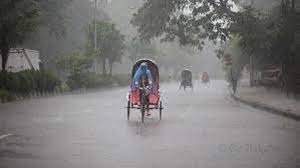
Dealing with the weather in Bangladesh can feel like a constant guessing game. One minute the sun is blazing, and the next, dark clouds roll in. It’s tough when you need to plan your day, your business, or even just a simple trip outdoors.
You want reliable information, but sometimes the news feels confusing. We get it. It’s hard to know what to expect when the weather seems so unpredictable.
The latest weather news in Bangladesh offers a mix of conditions, with some areas seeing heavy rain and others experiencing warmer, drier spells. Understanding these patterns helps everyone prepare for what’s next.
Understanding Bangladesh’s Weather Patterns
Bangladesh experiences a tropical monsoon climate. This means it’s generally warm and humid all year. But there are distinct seasons.
These seasons bring different types of weather. Understanding these can help you predict what’s coming. It’s not just random; there are patterns at play.
The country’s location near the Bay of Bengal plays a big role. This bay is a source of moisture. It also acts as a breeding ground for storms.
These storms can bring heavy rains and strong winds. Knowing this helps us make sense of sudden weather changes.
We often see three main seasons. They are the winter, summer, and monsoon seasons. Each has its own feel and its own set of weather events.
Winter is usually mild. Summer can be very hot. The monsoon season brings the most rain.
There’s also a pre-monsoon period. This often brings thunderstorms. These storms can be quite intense.
They are known locally as ‘Kalbaishakhi’ or Nor’westers. They can cause damage. So, knowing about them is important.
The Impact of Climate Change on Weather News
Climate change is changing things. It’s making weather patterns less predictable. We see more extreme events.
This means hotter heatwaves. It also means heavier rainfall. Flooding can become worse.
Cyclones might get stronger.
These changes affect everyone. Farmers worry about their crops. Families worry about their homes.
Businesses need to plan for disruptions. The weather news needs to reflect these new realities. It’s more important than ever to have good information.
Scientists are studying these changes closely. They are trying to provide better forecasts. But it’s a challenge.
The atmosphere is complex. Small changes can have big effects. Staying informed helps us adapt.
It helps us stay safer.
The news often highlights these extreme events. We hear about record temperatures. We see images of flooded areas.
This can feel scary. But it’s also part of the reality we live in now. Accepting this helps us take action.
Preparing for change is key. This means having emergency plans. It means building stronger homes.
It means conserving water. The weather news can guide these efforts. It tells us what to expect.
My Experience with Unpredictable Weather
I remember a few years back. I was planning a small outdoor event for friends. It was supposed to be in early May.
The forecast looked clear for days. We were all excited. I had decorations and food all planned.
Then, two days before, things changed.
Suddenly, the forecast shifted. It showed heavy rain and strong winds. It was a Nor’wester building up.
I felt a pang of panic. All my planning might go to waste. We scrambled to move the event indoors.
It wasn’t the same. The mood was a bit dampened.
That experience really hit home. It showed me how quickly things can change. It also showed me the importance of good, up-to-date weather news.
Relying on older forecasts just wasn’t enough anymore. I started paying more attention.
I learned to check multiple sources. I looked for specific details about storm paths. I also started listening to local advice.
People who live in these areas know the signs. They can often feel when something is coming.
It made me appreciate the work of meteorologists. They try their best to predict these chaotic systems. Even with technology, it’s a tough job.
But their efforts are vital for keeping us safe.
Quick Weather Check: What to Look For
Key things to note in weather reports:
- Rainfall amounts: How much is expected?
- Wind speed: Is it strong enough to cause damage?
- Temperature: Will it be unusually hot or cold?
- Humidity: How will it feel?
- Storm type: Is it a thunderstorm, cyclone, or something else?
- Duration: How long will the bad weather last?
Seasons in Bangladesh: A Closer Look
Let’s break down the seasons. Knowing these helps understand the typical weather news. Each season has its own character.
The Winter Season (December to February)
Winter is the coolest and driest time. Temperatures are pleasant. Daytime highs are usually in the mid-70s Fahrenheit (around 24°C).
Nights can get cooler, sometimes dropping into the 50s F (10-15°C). This is a welcome break from the heat.
Rainfall is very low during these months. Skies are often clear and sunny. This is considered the best time to visit Bangladesh.
The weather is comfortable for most activities.
However, sometimes dense fog can form. This is especially true in the mornings. It can disrupt travel.
Flights and ferry services might be delayed. This is a common point in winter weather news.
The weather news in winter often focuses on pleasant conditions. It might mention cooler nights. It might also warn about fog.
It’s generally a calm period weather-wise.
The Pre-Monsoon Season (March to May)
This season is a transition period. It gets hotter and more humid. Temperatures start to climb rapidly.
May can see highs in the high 80s or low 90s F (31-34°C). Humidity makes it feel even hotter.
This is when the ‘Kalbaishakhi’ or Nor’westers appear. These are violent thunderstorms. They bring strong winds.
They can also bring heavy rain and hail. Lightning is common and dangerous.
These storms are short-lived but intense. They can cause significant damage to crops and property. The weather news during this time is crucial.
It helps people prepare for these sudden outbursts.
People often talk about the “dust storms” before the rains. These are signs that a storm is approaching. The sky can turn a yellowish-brown color.
Kalbaishakhi: What You Need to Know
Understanding these storms:
- Timing: Mostly afternoons and evenings.
- Features: Sudden strong winds, heavy rain, lightning, hail.
- Impact: Can cause damage to trees, houses, and crops.
- Preparation: Seek shelter indoors, secure loose objects.
The Monsoon Season (June to October)
This is the main rainy season. Bangladesh receives most of its annual rainfall during these months. The monsoon winds blow from the southwest.
They bring lots of moisture from the Bay of Bengal.
Average rainfall can be very high. Some areas receive over 100 inches (250 cm) of rain annually. This rain is vital for agriculture.
It replenishes water sources.
However, heavy monsoon rains can lead to widespread flooding. Many parts of Bangladesh are low-lying. Rivers can overflow their banks.
This affects millions of people. The weather news becomes very focused on flood warnings.
Tropical cyclones are also a threat during this period. The Bay of Bengal is prone to cyclone formation. These storms can be devastating.
They bring high winds, torrential rain, and storm surges.
The weather news during the monsoon is critical. It provides updates on rainfall intensity. It warns about potential flooding and cyclones.
It guides evacuation efforts when needed.
The Post-Monsoon Season (November)
This is a short transitional period. The monsoon rains start to recede. The weather becomes milder.
Temperatures begin to drop. It’s a pleasant time before winter fully sets in.
However, tropical cyclones can still form in November. These are sometimes called “late-season cyclones.” They can still be very powerful. The weather news will monitor the Bay of Bengal closely.
This period often sees clear skies. The humidity decreases. It feels quite comfortable.
It’s a brief calm after the intense monsoon rains.
Seasonal Weather Comparison
| Season | Months | Key Features |
|---|---|---|
| Winter | Dec – Feb | Cool, dry, pleasant, fog possible |
| Pre-Monsoon | Mar – May | Hot, humid, thunderstorms (Kalbaishakhi) |
| Monsoon | Jun – Oct | Heavy rain, flooding, cyclones |
| Post-Monsoon | Nov | Milder, receding rain, late cyclones possible |
Where to Find Reliable Bangladesh Weather News
Getting accurate weather news is key. There are several good sources. Some are official.
Others are widely trusted.
The Bangladesh Meteorological Department (BMD) is the official source. They provide forecasts and warnings. Their website and regular updates are valuable.
They are the primary authority on weather.
Many national news channels and newspapers in Bangladesh cover weather extensively. They often have dedicated weather segments. They get information from the BMD and other sources.
These are easy to access daily.
International weather websites and apps can also be helpful. Sites like AccuWeather or The Weather Channel offer forecasts for Bangladesh. They often have detailed radar maps.
These can show storm movements.
Social media is another place people get updates. Many meteorological agencies and news outlets post here. However, always be careful.
Make sure the source is reliable. False information can spread quickly online.
When looking at weather news, check the date and time. Weather changes fast. An old forecast might not be accurate anymore.
Look for details like wind speed and expected rainfall amounts.
Consider the U.S. National Oceanic and Atmospheric Administration (NOAA). They sometimes provide data and analysis related to tropical cyclones in the Bay of Bengal.
Their information is very scientifically based.
Common Weather Phenomena in Bangladesh
Bangladesh is known for certain weather events. Understanding these helps interpret the news.
Tropical Cyclones
The Bay of Bengal is a major cyclone basin. Bangladesh is highly vulnerable. Cyclones form over warm ocean waters.
They bring destructive winds, heavy rain, and storm surges.
The storm surge is particularly dangerous. It’s a rise in sea level. It can flood coastal areas far inland.
Major cyclones have caused immense loss of life and property.
Weather news often includes cyclone watches and warnings. These are critical for public safety. Evacuation orders are given based on these warnings.
The government and international agencies work together. They monitor cyclones constantly. Early warning systems are in place.
But preparation at the local level is also vital.
Flooding
Due to its low-lying geography and heavy monsoon rains, flooding is common. Rivers like the Padma, Meghna, and Jamuna carry vast amounts of water.
Flash floods can occur in hilly areas. Riverine floods can inundate large plains. Waterlogging is also a problem in urban areas after heavy rain.
Weather news will report on river levels. It will warn about areas likely to be affected by floods. This helps people move to safer ground.
Long-term solutions involve better flood control infrastructure. But immediate safety depends on timely warnings and community preparedness.
Heatwaves
During the hot season (March to May), heatwaves can occur. Temperatures can soar. The humidity makes it feel oppressive.
Heatstroke is a serious risk.
Weather news will issue heat advisories. It warns people to stay hydrated. It advises avoiding strenuous activity during peak heat hours.
These heatwaves are becoming more intense with climate change. The news coverage helps raise awareness about the dangers.
Key Weather Terms Explained
Understand the jargon:
- Cyclone Watch: Issued when a cyclone is possible within 48 hours.
- Cyclone Warning: Issued when a cyclone is expected within 24 hours.
- Storm Surge: An abnormal rise of water generated by a storm.
- Flash Flood: A flood caused by a rapidThere’s a rising volume of water.
- Heatwave: A period of abnormally hot weather.
Interpreting Weather Forecasts for Bangladesh
Forecasts are not guarantees. They are educated predictions. They use models and current data.
But the atmosphere is dynamic. Things can change.
When you see the weather news, look for details. A forecast that says “rain” is vague. A good forecast will say “scattered showers” or “heavy thunderstorms expected.” It might give a percentage chance of rain.
Pay attention to the timing. Is the rain expected in the morning, afternoon, or evening? This helps you plan your day.
Wind speed is also important. Strong winds can cause damage. Look for numbers.
Are they in kilometers per hour or miles per hour?
Temperature forecasts should include the “feels like” temperature. This accounts for humidity. High humidity makes hot weather feel much hotter.
For extreme weather like cyclones, follow official warnings closely. Do not ignore them. They are there for your safety.
Remember that local variations exist. A forecast for a major city might not be exactly what happens in a rural area nearby. If you live in a coastal region, pay extra attention to warnings about storm surges.
What This Means for Your Daily Life
The weather news impacts many aspects of life in Bangladesh.
Agriculture
Farmers rely heavily on weather patterns. Too much or too little rain can ruin crops. Understanding seasonal forecasts helps them decide when to plant and harvest.
Warnings about floods or droughts are critical for their livelihoods.
Transportation
Heavy rain, fog, and cyclones disrupt travel. Roads can flood. Ferries might stop running.
Flights can be delayed or canceled. The weather news helps people make informed travel plans. It helps authorities manage transportation networks.
Health
Extreme heat can lead to heatstroke. Damp conditions can worsen respiratory problems. Waterborne diseases can spread during floods.
Weather news can include health advisories. It helps people take precautions to stay healthy.
Daily Planning
Even for simple things, weather matters. Do you need an umbrella? Should you wear a jacket?
Will it be too hot to play outside? The daily weather report helps answer these questions. It allows for better planning of work and leisure.
Daily Planning Tips
Using weather news to your advantage:
- Morning Check: Always check the forecast before starting your day.
- Outdoor Activities: Plan them around expected good weather.
- Commute: Be aware of potential delays due to rain or fog.
- Work: Farmers and construction workers must especially monitor conditions.
- Safety: Heed warnings for storms, heatwaves, or floods.
When to Worry: Understanding Severe Weather Warnings
Not all weather is cause for alarm. However, certain types of news signal potential danger. You need to pay close attention.
Tropical Cyclone Warnings
These are the most serious. When the BMD issues a cyclone alert or warning, it means a dangerous storm is approaching. This requires immediate action.
Follow evacuation orders. Secure your home. Stay tuned to official updates.
Heavy Rainfall and Flood Warnings
If forecasts predict extremely heavy rainfall over a short period, or if river levels are rising rapidly, flooding is a risk. Be aware of your surroundings. Know the evacuation routes for your area if you live in a flood-prone zone.
Severe Thunderstorm and Nor’wester Advisories
While often short-lived, these storms can bring damaging winds and lightning. If a severe thunderstorm warning is issued, seek sturdy shelter. Avoid tall trees and open spaces during lightning.
Extreme Heat Advisories
During the hot season, prolonged periods of very high temperatures can be dangerous. Listen to advice about staying hydrated and avoiding the sun. Vulnerable people, like the elderly and young children, need extra care.
The key is to understand the level of the warning. A “watch” means conditions are favorable for severe weather. A “warning” means severe weather is imminent or occurring.
Always trust official sources like the BMD. They have the most accurate and up-to-date information.
Quick Tips for Staying Prepared
Being prepared means you can handle unexpected weather better.
- Have an Emergency Kit: Include water, non-perishable food, a first-aid kit, flashlights, batteries, and a radio.
- Know Your Evacuation Route: If you live in a coastal or flood-prone area, know where to go and how to get there.
- Stay Informed: Make checking the weather news a daily habit.
- Secure Your Home: Before a storm, secure windows and doors. Bring in or tie down anything that could blow away.
- Charge Your Devices: Make sure your phone and power banks are charged in case of power outages.
- Listen to Authorities: Follow the guidance of local officials and emergency services.
Frequently Asked Questions
What is the current weather like in Dhaka?
To get the most current weather for Dhaka, it’s best to check a reliable weather app or the Bangladesh Meteorological Department’s website. Weather changes quickly, so live updates are most accurate.
How can I find out about cyclone warnings?
Cyclone warnings are officially issued by the Bangladesh Meteorological Department (BMD). You can find them on their website, through national news channels, radio broadcasts, and their official social media accounts. Pay close attention to any alerts issued.
Is it safe to travel during the monsoon season?
Traveling during the monsoon season requires caution. Heavy rains can cause flooding and disrupt transportation. Cyclones are also a risk.
Always check the latest weather news and travel advisories before making plans. If severe weather is predicted, it’s often best to postpone your trip.
What is a Nor’wester and when do they happen?
A Nor’wester, known locally as ‘Kalbaishakhi’, is a type of violent thunderstorm that typically occurs in the pre-monsoon season, from March to May. They bring strong winds, heavy rain, and lightning, and can be quite damaging.
How does climate change affect Bangladesh’s weather?
Climate change is leading to more extreme weather events in Bangladesh. This includes increased intensity of heatwaves, heavier rainfall, more severe floods, and potentially stronger cyclones. Predictability can decrease, making it harder to plan.
Where can I find the most official weather forecast for Bangladesh?
The most official source for weather forecasts and warnings in Bangladesh is the Bangladesh Meteorological Department (BMD). Their website and official communications are the primary sources of reliable weather information.
Final Thoughts on Staying Weather-Ready
Navigating the weather news in Bangladesh can be challenging. But by understanding the seasons, common phenomena, and reliable sources, you can stay better prepared. The climate is changing, making forecasts more critical than ever.
Stay informed, stay alert, and stay safe. Your preparedness makes all the difference.








Leave a Reply