

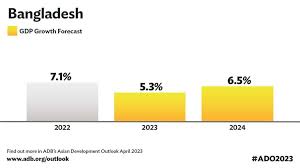
The Bangladesh economy shows steady growth, driven by exports and domestic demand. Key challenges include inflation management and attracting foreign investment. Future outlook focuses on digital transformation and sustainable development, with ongoing policy adjustments to ensure stability and progress.
Understanding the Bangladesh Economy: A Snapshot
The economy of Bangladesh is a complex system. It involves many moving parts. These parts affect everyday life.
We are talking about jobs, prices, and business growth. In recent years, Bangladesh has seen impressive economic expansion. This growth is a big deal for millions of people.
It has lifted many out of poverty.
Several factors fuel this success. Ready-made garments (RMG) are a huge export. They bring in lots of foreign money.
Remittances from Bangladeshis working abroad also help a lot. Domestic consumption is another strong driver. People are buying more goods and services.
This creates demand and jobs.
However, no economy is perfect. Bangladesh faces its own set of challenges. Managing inflation is a constant concern.
When prices rise too fast, it hurts families. Attracting more foreign investment is also key. This brings new jobs and technology.
Ensuring that growth is sustainable is also very important.
Looking ahead, the focus is on new areas. Digital transformation is a big one. Using technology can make businesses more efficient.
Sustainable development means growing without harming the planet. This is crucial for the long term. The government keeps making changes.
These policy moves aim to keep things stable. They also aim to help the economy move forward.
My First Brush with Bangladesh’s Economic Pulse
I remember visiting Dhaka a few years back. It was my first time really seeing the country’s energy. I was there for a small business conference.
Walking through the streets, the sheer number of people was striking. The traffic was intense, a constant hum of activity. But amidst the chaos, there was a palpable sense of progress.
One afternoon, I met a local textile factory owner. He was full of pride. He talked about his business and how it was growing.
He mentioned new machines he had bought. He was excited about exporting to Europe. But then his face clouded over a little.
He worried about the rising cost of raw materials. He also spoke about the need for better infrastructure.
That conversation stuck with me. It showed me the human side of economic data. It wasn’t just numbers on a page.
It was about people working hard, building businesses, and facing real challenges. I saw how interconnected everything was. A change in global demand could affect his factory.
A new government policy could change his costs.
This experience made me want to understand more. I started following economic news about Bangladesh closely. I wanted to see the trends behind the individual stories.
It made the abstract concepts of GDP and inflation feel much more real.
Key Drivers of Economic Growth
The engine behind Bangladesh’s economic progress is quite diverse. It’s not just one thing. Several major sectors work together.
They create a strong foundation for growth.
The Mighty Garment Sector
Let’s talk about ready-made garments (RMG). This industry is huge for Bangladesh. It employs millions of people.
Most of them are women. The country is a global leader in garment exports. Factories produce clothes for many famous brands.
This sector brings in billions of dollars in foreign currency each year. It is a lifeline for the economy.
The RMG sector has faced challenges. Safety in factories has been a big focus. Many improvements have been made.
This is good for workers and the country’s reputation. The sector continues to adapt. It seeks to move up the value chain.
This means making more complex and higher-value items.
Remittances: A Constant Support
Money sent home by Bangladeshis working abroad is vital. These remittances are a significant source of income. They support many families.
They also help the country’s balance of payments. When global economies are good, more people find work abroad. This leads to higher remittance flows.
These funds are often used for basic needs. They also go towards education and housing. This helps improve living standards.
It also boosts domestic spending power. These funds are a very important part of the economy.
Domestic Consumption: A Growing Force
As more people find jobs and earn more, they spend more. This domestic consumption is a growing force. People are buying more goods.
They are using more services. This creates demand for local businesses. It also creates jobs within the country.
The rising middle class is a key factor here. More people have disposable income. They can afford things they couldn’t before.
This demand helps businesses grow. It diversifies the economy beyond just exports. It is a sign of a healthier domestic market.
Key Economic Pillars: Quick Look
Exports (RMG): Major source of foreign income. Employs millions. Global leader in apparel.
Continuous improvement in safety and quality.
Remittances: Funds from overseas workers. Supports families and boosts national income. Important for foreign exchange.
Domestic Demand: Growing spending by citizens. Driven by rising incomes and a growing middle class. Supports local businesses.
Agriculture: Still a significant sector. Provides food security. Employs a large part of the rural population.
Modernization is underway.
The Role of Agriculture
While industries grow, agriculture remains important. It provides food for the nation. It also employs many people, especially in rural areas.
The government is working to modernize farming. This includes better seeds and techniques. It helps increase yields and farmer incomes.
Food security is a top priority. A strong agricultural sector helps ensure this. It also reduces reliance on food imports.
This can save the country valuable foreign currency. It is a foundational part of the economy.
Navigating Economic Challenges
Despite the positive growth, Bangladesh faces significant hurdles. Addressing these issues is crucial for sustained progress.
Fighting Inflation
Inflation is a constant concern. It means the general rise in prices. When inflation is high, your money buys less.
This hurts families, especially those with lower incomes. The government and the central bank work to control it.
Factors like global commodity prices and supply chain issues can cause inflation. Local factors also play a role. Managing inflation requires careful monetary policy.
It also needs efficient market regulation. Keeping prices stable is key for public trust and economic health.
Attracting Foreign Investment
Bangladesh wants to attract more foreign direct investment (FDI). This is money invested by companies from other countries. FDI brings capital.
It also brings new technology and management skills. It creates jobs and boosts exports.
Making the business environment more attractive is important. This includes easier regulations. It also means ensuring political stability.
Improving infrastructure like ports and roads is also vital. Foreign investors need to feel confident. They need to see a clear path for their investments.
Infrastructure Development
Good infrastructure is the backbone of any economy. Bangladesh is investing in this area. This includes building new roads, bridges, and power plants.
Improving ports is also critical for trade. Digital infrastructure is also gaining importance.
The lack of sufficient infrastructure can slow down business. It increases costs. It makes it harder to move goods and services.
Continued investment here is essential for future growth.
Human Capital and Skills
A skilled workforce is a major asset. Bangladesh is working to improve education and training. This helps create people with the skills needed for modern industries.
Focusing on STEM fields is important. So is vocational training.
As the economy evolves, so do the skills required. Investing in human capital ensures that people can adapt. They can take advantage of new job opportunities.
It makes the workforce more competitive globally.
Challenges on the Horizon
- Inflation: Keeping prices stable is a constant battle.
- FDI: Need to attract more investment from abroad.
- Infrastructure: Roads, ports, and energy need continuous upgrades.
- Skills Gap: Ensuring the workforce has modern job skills.
- Climate Change: Bangladesh is vulnerable; impacts on agriculture and cities.
Climate Change Impacts
Bangladesh is highly vulnerable to climate change. This poses a significant threat. Rising sea levels, extreme weather events, and changing rainfall patterns affect agriculture.
They also impact coastal communities. The economy must adapt to these realities.
Investments in climate-resilient infrastructure are needed. Sustainable practices in agriculture and industry are also important. This is a long-term challenge that requires global cooperation.
The Future Outlook: Trends and Policies for 2025-2026
Looking towards the near future, several trends and policy directions will shape the Bangladesh economy.
Digital Transformation
The push for digital transformation is gaining momentum. This includes e-governance, digital payments, and online businesses. It can increase efficiency.
It can also reach more people. The government has set goals for a ‘Digital Bangladesh’.
This trend is expected to continue. It can help create new job opportunities. It can also make existing industries more competitive.
The pandemic accelerated the adoption of digital tools. This momentum is likely to persist.
Trade and Export Diversification
While garments remain strong, Bangladesh aims to diversify its exports. This means looking beyond textiles. It involves promoting other sectors.
Examples include pharmaceuticals, IT services, and light engineering. Moving into higher-value products is also a goal.
Trade agreements will play a role. Access to new markets is important. Reducing trade barriers will help.
Diversification reduces reliance on a single sector. It makes the economy more robust.
Sustainable Development Goals (SDGs)
Bangladesh is committed to the United Nations’ Sustainable Development Goals. These cover poverty reduction, health, education, and environmental protection. Progress on SDGs requires careful planning.
It also needs investment and policy focus.
Achieving these goals contributes to long-term prosperity. It also improves the quality of life for citizens. Sustainable practices are becoming more important globally.
Bangladesh is aligning its development path with these global targets.
Monetary and Fiscal Policy Stance
For 2025-2026, expect continued focus on macroeconomic stability. The central bank will likely work to manage inflation. It will also aim to maintain adequate foreign exchange reserves.
This is important for imports and debt repayment.
Fiscal policy will focus on revenue generation. It will also manage government spending. Support for key sectors and social safety nets will likely continue.
Balancing growth with stability is the core objective.
Focus Areas for 2025-2026
Digital Economy: Expanding online services and digital infrastructure.
Export Growth: Moving beyond garments to other sectors.
Green Initiatives: Focus on sustainability and climate resilience.
Human Capital: Investing in education and skills for the future.
Investment Climate: Improving ease of doing business.
Real-World Scenarios: How Economic Changes Play Out
Economic trends aren’t just abstract figures. They show up in daily life. Let’s look at some common situations.
The Local Market Experience
Imagine you go to your local market. You want to buy vegetables. If inflation is high, the prices will be noticeably higher than last month.
The same amount of money won’t buy as much produce. This directly impacts your family’s budget. You might have to cut back on other things.
This is why price stability is so important. It affects everyone, from daily shoppers to large businesses. Local supply chains and government efforts to control food prices are crucial here.
Job Opportunities
When the garment sector is doing well and expanding, more jobs are created. This is especially true for women in factory settings. If foreign investment comes into new sectors like IT, new types of jobs appear.
These might require different skills, like coding or digital marketing.
A slowdown in exports or investment means fewer job openings. It can also mean slower wage growth. The availability and type of jobs are direct results of economic health.
Small Business Challenges
A small shop owner might face rising costs for the goods they sell. This could be due to import prices or local inflation. They might struggle to pass these costs onto customers.
This squeezes their profit margins.
If the government makes it easier to get business loans, that helps. If they improve roads, it’s easier to transport goods. These practical changes make a big difference for small businesses.
They are the backbone of many local economies.
Access to Technology
As digital transformation happens, access to affordable internet and smartphones becomes more important. This allows people to use online services. They can access educational materials or apply for jobs online.
For businesses, it means reaching more customers.
If digital infrastructure is weak, some people or areas get left behind. This can create new forms of inequality. Ensuring broad access to technology is a key part of modern economic development.
What These Trends Mean for You
Understanding these economic updates helps you see the bigger picture. It explains why certain things happen.
When Growth is Good News
When the economy grows steadily, it usually means more jobs. It means wages might rise. It means businesses are doing well.
This can lead to better public services over time, like improved schools and hospitals. Consumer confidence tends to be higher.
When Challenges Affect Daily Life
High inflation means your money loses value. It makes it harder to afford essentials. If foreign investment slows, job creation might also slow down.
Infrastructure problems can cause delays and increase costs for everyone. These are direct impacts on people’s lives.
Looking Ahead: Preparedness
Knowing about trends like digital transformation means you can prepare. Learning new digital skills can open up job opportunities. Understanding export diversification helps you see where new industries might grow.
For families, understanding economic stability is key. It helps in planning for the future. It informs decisions about savings and investments.
It also helps you understand the news you hear.
Quick Tips for Staying Informed
Keeping up with economic news doesn’t have to be hard. Here are some simple ways to stay informed:
- Read Summaries: Look for news articles that offer clear summaries. Avoid overly technical jargon.
- Follow Reputable Sources: Stick to well-known news outlets that focus on economics.
- Focus on Key Indicators: Understand what GDP, inflation, and foreign reserves mean.
- Look for Analysis: Try to find articles that explain why things are happening, not just what is happening.
- Connect to Your Life: Think about how these trends might affect your own job, expenses, or local community.
Frequently Asked Questions About Bangladesh’s Economy
What is the main driver of Bangladesh’s economy?
The ready-made garment (RMG) industry is a primary driver, contributing significantly to exports and employment. However, remittances from overseas workers and growing domestic consumption are also very important pillars.
What are the biggest challenges facing Bangladesh’s economy right now?
Key challenges include managing inflation to protect purchasing power, attracting more foreign direct investment (FDI) to boost growth, and continuing to develop essential infrastructure. Climate change impacts also pose a long-term threat.
How is Bangladesh working to attract foreign investment?
Efforts include improving the ease of doing business, simplifying regulations, developing special economic zones, and enhancing infrastructure. The goal is to create a more stable and predictable environment for investors.
What is the role of digital transformation in Bangladesh’s economy?
Digital transformation aims to boost efficiency across sectors, from government services to businesses. It creates new job opportunities in IT and related fields and can improve access to services for citizens.
How does climate change affect the Bangladesh economy?
Climate change leads to increased risks from natural disasters, impacts agricultural productivity, and threatens coastal areas. This requires significant investment in adaptation and mitigation strategies, affecting national budgets and development plans.
What is the outlook for Bangladesh’s economy in the next few years?
The outlook is generally positive, with continued growth expected. Focus will remain on managing inflation, diversifying exports, promoting digital adoption, and pursuing sustainable development goals. Challenges will require ongoing policy adjustments.
Concluding Thoughts
Keeping up with economic news can seem daunting. But by breaking it down, we can see the real story. Bangladesh’s economy is on a path of growth.
It faces challenges but also has great potential. Understanding these trends helps us appreciate the efforts being made. It also shows us where future opportunities lie.






Leave a Reply