


The latest Bangladesh education news covers exam results, admission processes, and government policy changes. Stay updated on academic schedules, national curriculum shifts, and important dates for students and parents across the country. Key information for the academic year is regularly published.
Understanding the Latest Bangladesh Education News
Education news in Bangladesh is a really big deal. It affects millions of students, parents, and teachers. Keeping up with it helps everyone know what’s coming next.
This includes understanding exam results, when to apply for colleges, and any new rules for schools. It’s all about making sure everyone is prepared.
The Ministry of Education in Bangladesh is always working on new ideas. They want to make learning better for everyone. This means changes to how exams are done.
It also means updates to what students learn in school. Staying informed means you won’t miss out on important dates or new opportunities. It helps plan for the future.
Key Areas in Recent Education Updates
There are a few main parts of education news that people always watch for. These include the results of major exams. Think of the SSC and HSC exams.
These are very important tests. The dates they come out are a big topic. Many students wait for these results to decide their next steps.
It’s a tense time for many families.
Another key area is college and university admissions. News about admission tests is always big. Schools announce how many spots they have.
They also share deadlines for applying. This helps students know where they can apply. It guides them toward their dream courses.
Planning for these tests is a major focus.
Policy changes are also a big part of education news. The government might change the school year. They could introduce new subjects.
They might also update teaching methods. These changes can affect how students learn and how teachers teach. It’s important to know these shifts to adapt.
Exam Results and Academic Schedules are always a top concern. When the SSC and HSC results are announced, it’s front-page news. Families celebrate successes and plan for the next phase of education.
Academic calendars also get a lot of attention. Knowing when terms start and end helps with planning for both students and educators.
Admission Tests and Higher Education Access are critical for students’ futures. Information about entrance exams for universities and medical colleges is highly sought after. Universities often release their admission circulars with details on application procedures and eligibility criteria.
This helps students target their applications effectively.
Curriculum Reforms and Educational Policies shape the entire learning landscape. The government may introduce changes to the national curriculum. These aim to align education with modern needs and global standards.
Updates on teaching methodologies, examination patterns, and digital learning initiatives are also significant.
Personal Experience: The Waiting Game
I remember vividly the week my younger cousin, Rohan, was waiting for his SSC results. He had worked so hard, staying up late studying. Every day, he’d ask, “Is it out yet?” The suspense was palpable in our home.
We’d refresh news websites constantly. The air felt thick with anticipation and a touch of anxiety.
My aunt had a calendar marked with potential release dates. She’d also call other parents to see if they had heard anything. It felt like the whole country was holding its breath.
When the results finally came out, Rohan’s face lit up. He had passed with flying colors. That moment of relief and joy was infectious.
It showed me just how much these results mean to families.
Understanding Exam Result Releases
When exam results are about to be released, there’s a lot of buzz. Usually, the Ministry of Education or the relevant examination boards announce a date. This announcement often happens a few days before the actual release.
This gives students and parents time to prepare for checking their scores.
Checking results is typically done online. Students can visit the official websites of the education boards. They often need their roll number and registration number to access their mark sheets.
SMS services are also common. These allow students to get their results sent directly to their phones. It’s a quick way to find out their performance.
The grading system used is important to understand. Each subject has a specific grading scale. Marks are converted into grades.
The overall result is often presented as a GPA (Grade Point Average). Knowing how this GPA is calculated helps in understanding the results better. It also helps in planning for future academic pursuits.
Key Exam Boards in Bangladesh
Dhaka Education Board: Oversees secondary and higher secondary education in Dhaka division.
Chittagong Education Board: Manages education in the Chittagong division.
Rajshahi Education Board: Covers the Rajshahi division.
Jessore Education Board: Serves the Khulna and Barisal divisions.
Comilla Education Board: Operates within the Comilla division.
Sylhet Education Board: Manages education in the Sylhet division.
Dinajpur Education Board: Covers the Rangpur division.
Madrasah Education Board: For students following the Dakhil and Alim curriculum.
Technical Education Board: For vocational and technical courses.
Navigating Admission Tests
Admission tests are a major hurdle for many students. Especially for popular universities and medical colleges. The news often focuses on the dates of these tests.
It also covers the application windows. These are strict, and missing them means missing the chance to apply.
Each university has its own admission process. Some use a combined admission test. Others conduct individual tests for different faculties or departments.
It’s crucial to know which system applies to the institutions you’re interested in. Websites of universities are the best source for this information.
Preparation for these tests is key. Many coaching centers offer classes. News outlets sometimes report on common exam patterns.
They might highlight areas students often find difficult. Understanding the syllabus and the type of questions asked is vital. This helps students focus their study efforts.
Admission Test Tips
Know the Syllabus: Always check the official syllabus for the test.
Practice Past Papers: Solve questions from previous years to understand the format.
Time Management: Practice answering questions within a set time limit.
Focus on Weak Areas: Spend more time on topics you find difficult.
Stay Healthy: Get enough sleep and eat well during your preparation period.
Policy Changes and Their Impact
Government policies can bring big changes. For example, a new national curriculum might be introduced. This could mean new textbooks.
It could also mean new ways of teaching. Teachers need training for these changes. Students need to adjust to new learning materials.
Sometimes, policies are about improving the quality of education. This might involve better school infrastructure. It could mean more resources for science labs or libraries.
The news will often discuss these plans. It helps people understand how schools will improve.
Discussions about the Medium of Instruction (MOI) are also common. While English is widely used in higher education, Bengali remains the primary MOI in schools. Debates sometimes arise about its role, especially in science subjects.
News reports cover expert opinions and government decisions on this matter.
The government also looks at student-teacher ratios. They might aim to reduce class sizes. This helps teachers give more individual attention.
Improving teacher qualifications is another policy goal. This ensures that educators are well-equipped to teach.
Recent Policy Focus Areas
Digital Education: Efforts to integrate technology in classrooms.
Skills Development: Programs to equip students with job-ready skills.
Teacher Training: Improving professional development for educators.
Inclusive Education: Ensuring access for students with special needs.
Assessment Reforms: Moving towards more comprehensive evaluation methods.
Real-World Context: Education in Different Regions
The educational landscape in Bangladesh isn’t uniform. Urban areas often have more resources. Schools in cities might have better facilities.
They might offer more specialized courses. This can create a difference in opportunities for students.
Rural schools often face challenges. They might struggle with teacher shortages. Access to technology can be limited.
However, many dedicated teachers work hard in these areas. They strive to provide the best education possible. News sometimes highlights these successes against the odds.
The economic status of families also plays a role. Some families can afford private tutoring or extra classes. Others struggle to buy textbooks.
Government initiatives aim to bridge this gap. News reports often discuss the impact of these programs on different socio-economic groups. They look at whether these programs are reaching those who need them most.
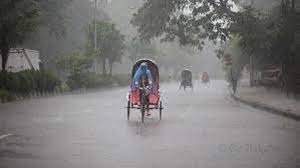
Climate change is another factor, though less discussed in daily education news. Severe weather events can disrupt schooling. This is particularly true in coastal areas.
When schools are used as shelters, academic calendars get affected. This is a complex issue with long-term implications for education delivery.
What This Means for You
If you’re a student, staying informed means you can plan better. You’ll know when exams are. You’ll know when to apply for colleges.
You can prepare for tests more effectively. It reduces last-minute stress. It helps you make smart choices about your future path.
For parents, it’s about supporting your children. Knowing the dates and requirements helps you guide them. You can help them prepare.
You can also understand the challenges they might face. It allows you to provide the right kind of support at the right time. You can celebrate their successes with clear understanding.
For educators, staying updated is essential for their practice. New teaching methods or curriculum changes need to be understood. This helps them deliver effective lessons.
It also helps them guide their students well. They can adapt their teaching to meet new requirements.
When It’s Normal to See News: Education news is always active. There are always updates about exams, admissions, and policies. It’s normal to see daily or weekly reports.
This keeps everyone informed about the ongoing academic year.
When to Pay Extra Attention: Major announcements are key. This includes exam schedules, result release dates, and admission circulars. Changes to the national curriculum or examination system are also critical.
These often come with specific timelines for implementation.
Simple Checks You Can Do: Always check official websites. These are from the Ministry of Education, the specific examination boards, and universities. Look for announcements from trusted news sources.
These often have dedicated education sections. Cross-referencing information is a good habit.
Quick Tips for Staying Updated
Following official government education websites is a smart move. These sites often post announcements first. Many educational institutions also have their own news sections.
Following these can give you direct updates.
Subscribing to newsletters from educational portals can be helpful. These often curate important news. They send summaries to your inbox.
This saves time. It ensures you don’t miss key information. Social media accounts of education ministries and boards can also be useful.
Attend parent-teacher meetings. Teachers are often the first to know about upcoming changes. They can provide insights.
They can clarify information you might have read. This direct communication is valuable.
Staying Informed Effectively
Bookmark Official Sites: Keep links to the Ministry of Education and examination boards handy.
Use Reliable News Sources: Follow reputable newspapers and news channels with dedicated education reporting.
Set Up Alerts: If possible, set up Google Alerts for keywords related to Bangladesh education news.
Connect with Communities: Join online forums or groups for students and parents to share and gather information.
Verify Information: Always double-check information, especially if it seems too good or too bad to be true.
Frequently Asked Questions about Bangladesh Education News
When are the SSC and HSC exam results usually released?
SSC results are typically released about 60 days after the exams end. HSC results follow a similar timeline. Specific dates are announced by the respective education boards.
How can I check my exam results online?
You can check results on the official websites of the education boards. You will usually need your roll number and registration number. SMS services are also available, where you send a text with your details to a specific number.
What is the new education policy in Bangladesh?
Bangladesh has been implementing a National Curriculum Framework (NCF) aiming for a more competency-based education. This focuses on developing skills rather than just rote learning. It’s being rolled out in phases.
How do I find out about university admission test dates?
University admission test dates are announced on their official websites. These announcements are usually made a few months before the tests. Major newspapers also publish these dates.
Are there any changes to the syllabus for the upcoming exams?
Syllabus changes are usually announced well in advance by the education boards. If there are modifications, they are published on official notice boards and websites.
Where can I find information on scholarships for Bangladeshi students?
Information on scholarships can be found on the Ministry of Education’s website, university websites, and sometimes through international organizations. News outlets also report on scholarship opportunities.
Conclusion: Staying Connected to Education’s Pulse
Keeping up with Bangladesh education news is more than just reading headlines. It’s about understanding the system. It’s about supporting students’ journeys.
By staying informed, we can all navigate the educational landscape better. This helps in making informed decisions for a brighter future for our students.







Leave a Reply