

It can feel overwhelming trying to keep up with what’s happening in Bangladesh. So much changes so fast. You read headlines, hear bits and pieces, and wonder what it all really means for the country and its people.
It’s totally understandable to feel a bit lost. This is your guide to understanding the big picture of Bangladesh’s current affairs. We’ll break down the important things happening right now, in a way that’s easy to grasp.
You’ll learn about the major forces at play and what they might mean down the road.
Understanding current affairs in Bangladesh involves looking at its politics, economy, and social fabric. Key factors include ongoing democratic processes, economic growth and challenges, regional relations, and the impact of social issues like climate change and human rights. Staying informed helps grasp the nation’s direction and its people’s lives.
Understanding Bangladesh’s Current Landscape
Bangladesh is a nation full of energy and ambition. It’s one of the world’s most crowded countries. But it’s also a place of incredible resilience.
Right now, several big things are shaping its path. These include how its government works, how its economy is doing, and how its people are living. These topics are all connected.
Changes in one area often affect the others.
Think of it like a complex puzzle. Each piece represents something important happening. We need to look at these pieces together to see the whole picture.
This isn’t about just remembering facts. It’s about understanding the stories behind those facts. It’s about seeing the real-life impact on ordinary families.
We will explore these key areas to give you a clear view.
The Political Pulse: Governance and Elections
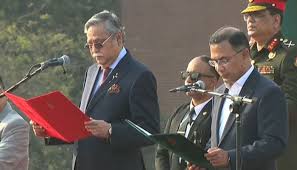
Politics is always a big part of any country’s story. In Bangladesh, this is certainly true. The country has a parliamentary democracy.
This means elected officials make laws. These laws guide how the country runs. Elections are a key part of this system.
They happen every five years. People vote for their representatives.
The upcoming elections are always a focus. They bring hopes and sometimes concerns. Different political parties have different ideas.
They want to lead the country. They promise changes and plans for the future. Understanding these parties and their goals is important.
It helps us see the different paths Bangladesh could take.
There’s a lot of discussion about fair elections. Ensuring that every vote counts is vital. Many groups watch the election process.
They want to make sure it’s transparent. This builds trust in the government. It also helps maintain peace.
Political stability is a big deal for any nation’s progress.
Issues like democracy and human rights are often talked about. These are core values for many people. Citizens want their voices heard.
They want to live in a country where their rights are protected. These are ongoing conversations in Bangladesh. They are a big part of the current affairs story.
Economic Engine: Growth and Challenges
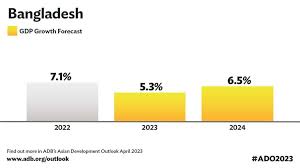
Bangladesh’s economy has seen some amazing growth. It’s often called a success story. For years, it has grown faster than many expected.
This growth is driven by a few key things. The ready-made garment (RMG) industry is huge. Many clothes we wear are made there.
This industry creates many jobs. It also brings in a lot of money from other countries.
Remittances are also very important. These are money sent home by Bangladeshis working abroad. These workers send money back to their families.
This money helps families live better. It also helps the country’s economy grow. It’s a steady stream of income.
However, the economy faces challenges too. The world economy can affect Bangladesh. For example, if other countries buy fewer clothes, it hurts the garment factories.
Global inflation can make things more expensive. This affects everyone, from business owners to families buying food.
The government is trying to diversify the economy. This means not relying too much on just one or two industries. They are looking at other areas like technology and agriculture.
They want to create more types of jobs. This makes the economy stronger and more stable.
Managing inflation is a big task. Prices for everyday items can rise quickly. This makes life harder for many people.
Finding ways to keep prices stable is a constant effort. It requires smart economic planning and policy decisions. These economic shifts are a major part of Bangladesh’s current affairs.
Key Economic Drivers and Concerns
Growth Engines:
- Ready-Made Garments (RMG)
- Overseas Worker Remittances
- Agriculture Sector
Current Hurdles:
- Inflation
- Global Economic Slowdown
- Energy Prices
Social Fabric: People and Progress
Bangladesh is a country of over 170 million people. The lives of these people are central to its current affairs. There has been significant progress in many social areas.
For example, many more children are going to school now. Health care has also improved. People are living longer lives.
Poverty has also decreased. More families have access to basic needs. This is a huge achievement.
It shows that the country is moving forward. It reflects hard work and smart policies. But there are still people facing hardship.
This is a reality for many developing nations.
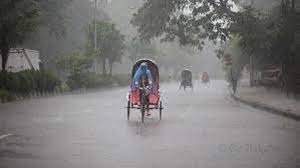
Climate change is a major concern. Bangladesh is very low-lying. It’s very vulnerable to rising sea levels and storms.
These natural events can destroy homes and farms. They displace communities. People have to start over.
This is a constant struggle for many.
The government and international groups are working on solutions. They are building stronger defenses against floods. They are also looking for ways to adapt to the changing climate.
This is a long-term challenge. It affects millions of lives directly.
Other social issues include education access for all. Ensuring everyone, including girls and those in remote areas, gets a good education is key. Also, topics like women’s rights and safety are important.
These conversations are ongoing. They aim to make society more equal and fair for everyone.
Social Progress Snapshot
Milestones Achieved:
- Increased School Enrollment
- Improved Healthcare Access
- Reduced Poverty Rates
Ongoing Challenges:
- Climate Change Vulnerability
- Ensuring Universal Education
- Gender Equality
Regional Ties: Bangladesh and Its Neighbors
Bangladesh doesn’t exist in a bubble. It has important relationships with its neighbors. India and Myanmar share borders with Bangladesh.
These relationships have a big impact. They affect trade, security, and many other things.
Trade is a key aspect. Bangladesh imports and exports goods. Neighboring countries are often important trading partners.
Smooth trade relations help economies grow. They make goods more available. They can also create jobs.
Security is another major factor. Border management is important. Preventing illegal activities and ensuring safety requires cooperation.
Sometimes, there are shared challenges. Working together helps address these issues.
The Rohingya refugee crisis is a major issue. Many Rohingya people have come to Bangladesh from Myanmar. This is a huge humanitarian concern.
Bangladesh has shown great generosity. But it also puts a strain on resources. Finding a lasting solution is a priority.
It involves regional and international efforts.
Bangladesh also participates in regional forums. These are groups where countries discuss common interests. They work on shared goals.
This helps build cooperation. It also gives Bangladesh a voice on the global stage.
Bangladesh’s Neighborly Relations
Key Neighbors:
- India
- Myanmar
Areas of Focus:
- Trade and Economic Ties
- Border Security Cooperation
- Humanitarian Issues (e.g., Rohingya Crisis)
- Regional Stability
The Impact of Global Events
What happens in the world affects Bangladesh too. This is true for every country. For example, global events like the COVID-19 pandemic had a big impact.
It disrupted supply chains. It affected businesses. It changed how people lived their lives.
Wars or conflicts in other regions can also have effects. They can lead to changes in fuel prices. They can affect the cost of food.
These global shocks can make life harder for ordinary people in Bangladesh. It highlights how connected the world is.
International trade agreements are also important. They can open up new markets for Bangladeshi goods. Or they can create competition.
Bangladesh needs to be smart about these global trends. It needs to adapt to stay competitive.
Foreign investment is another global factor. When companies from other countries invest in Bangladesh, it creates jobs. It brings new technology.
It helps the economy grow. Attracting this investment is a goal for the government.
Bangladesh also plays a role in international forums. It contributes to peacekeeping efforts. It participates in discussions on global issues like climate change and development.
This shows its commitment to being a responsible global citizen.
My Own Experience: Witnessing Change
I remember visiting Dhaka a few years ago. The energy was incredible. It was a city buzzing with life.
Cars honked, people walked everywhere, and street vendors called out. It was a sensory overload, in the best way possible. But I also saw the challenges.
I saw families living in very crowded conditions. I saw people working incredibly hard, often for long hours. I talked to a young woman who worked in a garment factory.
She told me how important her job was. It allowed her to send her younger siblings to school. She dreamed of a better future for them.
This personal story stuck with me. It brought the numbers and statistics to life. It made me realize that behind every current affair is a person.
There’s a family with hopes and dreams. This encounter made me appreciate the resilience of the Bangladeshi people even more. It also highlighted the need for continued progress and support.
Looking Ahead: Future Trends and Possibilities
What does the future hold for Bangladesh? It’s hard to say for sure. But there are some clear trends.
The country is expected to continue growing economically. Its population will likely keep increasing for some time. This means more demand for resources like food, water, and energy.
Technology will play a bigger role. More people are getting online. This opens up new possibilities for education and business.
The government is investing in digital infrastructure. This could lead to more innovation. It could create new types of jobs.
The challenge of climate change will remain significant. Bangladesh will need to keep adapting. Investing in renewable energy could be a key part of this.
Finding sustainable ways to live and work will be vital.
Political stability will be crucial. A peaceful and democratic process allows for consistent development. It builds confidence for investors and citizens alike.
Maintaining this stability will be an ongoing focus.
The focus on improving education and health will continue. These are investments in the country’s future. A well-educated and healthy population is key to long-term success.
It allows people to contribute more fully to society.
Future Outlook: Key Areas to Watch
Opportunities:
- Digital Transformation & Technology
- Diversified Economic Growth
- Renewable Energy Adoption
Continuing Challenges:
- Climate Change Adaptation
- Sustainable Resource Management
- Urbanization Pressures
What This Means for You
Understanding current affairs in Bangladesh is important for many reasons. If you have family or friends there, it helps you connect. If you are interested in global economics, it’s a dynamic market.
If you care about humanitarian issues, Bangladesh faces significant ones.
It’s normal for events to seem distant. But what happens in Bangladesh impacts the world. For example, global supply chains mean that events there can affect prices here.
Also, its progress in areas like poverty reduction offers lessons for other countries.
When is it normal to see changes in Bangladesh? Most of the time! Countries are always evolving.
Political shifts, economic adjustments, and social changes are natural. It’s a sign of a living, breathing society.
When should you pay closer attention or feel concerned? Look for major disruptions. This could be widespread unrest, severe natural disasters without adequate response, or significant economic downturns that hurt many people.
A simple check is to look at news from reliable sources. Are the reports focusing on progress and solutions, or on widespread crises? Are there signs of increasing hardship for ordinary citizens?
These can be indicators.
Quick Tips for Staying Informed
Keeping up with current affairs doesn’t have to be a chore. Here are some easy ways to stay in the loop:
- Follow Reputable News Sources: Look for established news organizations that cover Bangladesh. Many have online editions.
- Read Diverse Perspectives: Try to read from different sources. This gives you a more balanced view.
- Watch Documentaries or Informative Videos: Visual content can often make complex topics easier to understand.
- Follow Experts or Analysts: Some academics and commentators share insights on social media or blogs.
- Look for Reports from NGOs: Non-governmental organizations often provide detailed information on specific issues like development or human rights.
Remember, depth comes from understanding the context. It’s not about knowing every single detail. It’s about grasping the main forces at play.
Frequently Asked Questions About Bangladesh’s Current Affairs
What is the current political climate like in Bangladesh?
The political climate in Bangladesh is dynamic, often characterized by active political parties and ongoing discussions about democratic processes. Elections are a significant focus, with parties presenting different visions for the country’s future. Ensuring fair and transparent electoral practices remains a key topic of public interest and debate.
How is Bangladesh’s economy performing right now?
Bangladesh’s economy has shown strong growth over the past decade, largely driven by the ready-made garment industry and remittances from overseas workers. However, it currently faces challenges like inflation and global economic uncertainties. Efforts are ongoing to diversify the economy and manage these economic pressures.
What are the biggest social challenges Bangladesh is facing?
Major social challenges include the impact of climate change, given Bangladesh’s vulnerability to natural disasters and rising sea levels. Other ongoing concerns are ensuring universal access to quality education, improving healthcare services for all citizens, and addressing poverty in certain regions. Gender equality is also a significant focus.
How do regional relations affect Bangladesh?
Bangladesh’s regional relations, particularly with India and Myanmar, are very important. These relationships impact trade, border security, and regional stability. The Rohingya refugee crisis, stemming from Myanmar, is a significant humanitarian and geopolitical issue that heavily involves Bangladesh and requires regional cooperation.
Is Bangladesh doing enough to combat climate change?
Bangladesh is highly vulnerable to climate change but is actively taking steps to adapt and mitigate its effects. This includes building stronger infrastructure against natural disasters and exploring renewable energy options. However, the scale of the challenge is immense, and continuous international support and national effort are needed.
What is the role of the ready-made garment industry in Bangladesh’s current affairs?
The ready-made garment (RMG) industry is a cornerstone of Bangladesh’s economy. It is a major employer, especially for women, and a key source of export earnings. Its performance directly influences the country’s economic stability, job market, and international trade relationships, making it a central factor in current affairs discussions.
Final Thoughts on Bangladesh’s Journey
Bangladesh is a nation on a journey. It’s a story of progress, challenges, and constant evolution. By understanding its current affairs, we gain insight into a vibrant culture and a determined population.
The country’s path forward involves navigating complex political, economic, and social landscapes, all while facing global changes.



Leave a Reply